Kings of Sin
Following the global success of the Twisted series, Ana Huang’s Kings of Sin shifts the focus from college-age elites to the ruthless world of high-stakes billionaires and socialites. Each novel centers on a hero representing one of the seven deadly sins: pride, greed, lust, envy, gluttony, wrath, or sloth. The series is celebrated for its "high-heat" romance, complex "marriage of convenience" tropes, and a cinematic aesthetic that feels both voyeuristic and deeply emotional. It explores how absolute power and wealth are often hollow until challenged by an equal partner.
Recommended Reading Order

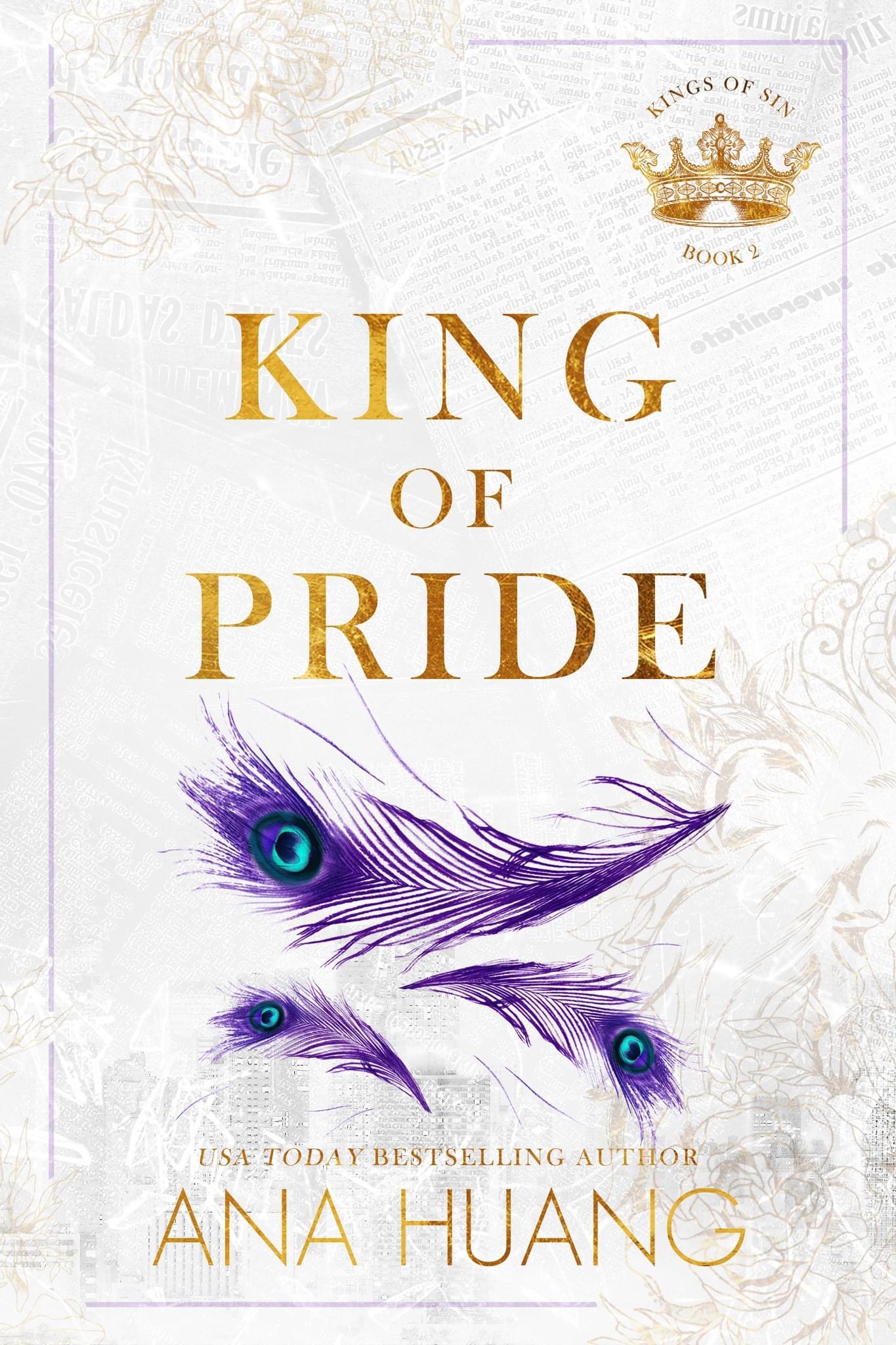
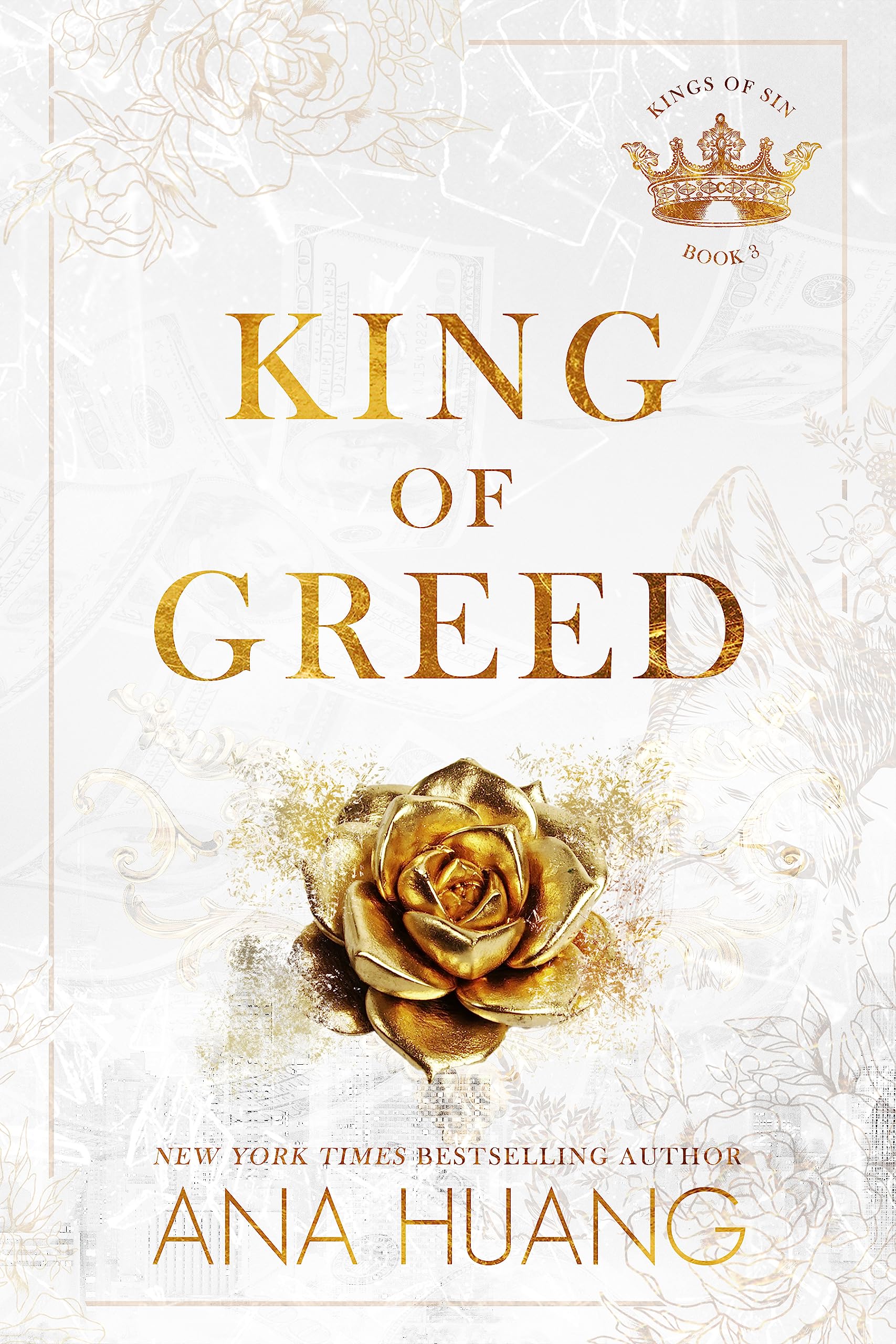
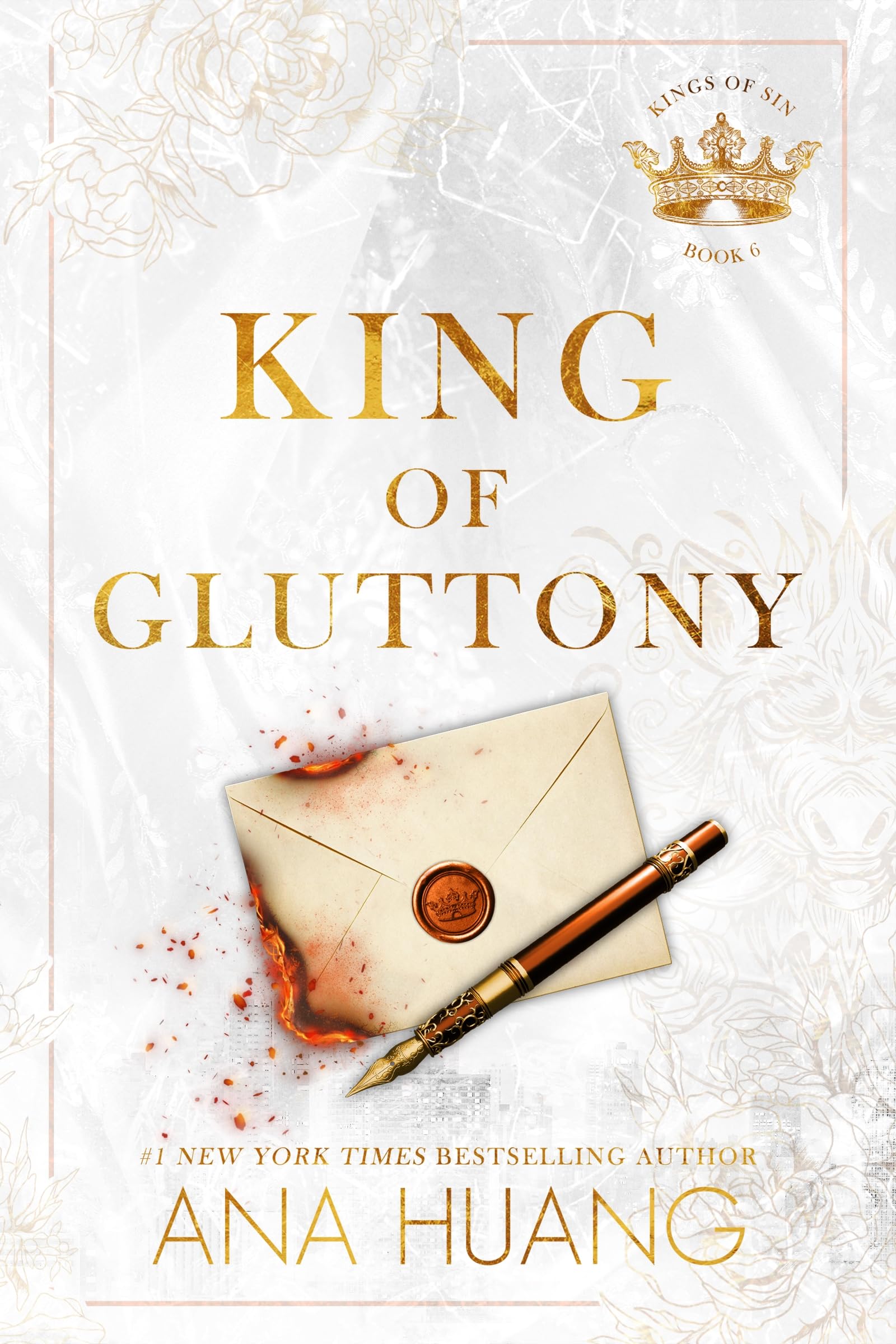
What to Expect
The Interconnected Universe
One of Huang's signatures is the "Easter Egg" culture. Readers will frequently see cameos from Twisted characters, creating a sense of a living, breathing world of the global 1%. While you do not need to read Twisted first, doing so provides a much richer context for the social hierarchies and inside jokes.
The "Morally Grey" Male Lead
The "Kings" are not traditional heroes. They are often ruthless in business and possessive in their personal lives. The series explores the concept of the "Redemption Arc," where the hero does not necessarily become a "good" person, but becomes a person who is good for the heroine.
High-Stakes Power Dynamics
Unlike many contemporary romances, the conflict often stems from external pressures: corporate takeovers, family legacies, and social reputation. The heroines are frequently caught between their own ambitions and the overwhelming gravitational pull of the hero's influence.
The Series Explained
| Title | Represented Sin | The Hook | The Vibe |
|---|---|---|---|
| King of Pride | Pride | Opposites Attract | High-society intellectualism meets buttoned-up restraint. |
| King of Wrath | Wrath | Marriage of Convenience | Cold, calculated blackmail turning into fierce obsession. |
| King of Greed | Greed | Second Chance / Marriage in Crisis | A workaholic CEO realizing his empire means nothing without his wife. |
| King of Sloth | Sloth | Grumpy x Sunshine | A billionaire "playboy" forced to work for a high-achieving publicist. |
| King of Envy | Envy | Forced Proximity | Rivalry and simmering resentment between two powerful families. |
Reading Tip
Pay close attention to the epilogues and the "bonus chapters" often released through the author's newsletter. Huang uses these to bridge the gap between books, frequently introducing the next "King" and his primary character flaw (his sin) before his own book even begins.
Looking for more by Ana Huang? Browse all their books including standalones and other series.
More from TropeQuest